#10 Stone Screenings on Florida Sand
Do not use Stone Screenings as the whole base for a Florida patio. Set it over a prepared base for a firm, level paver bed.
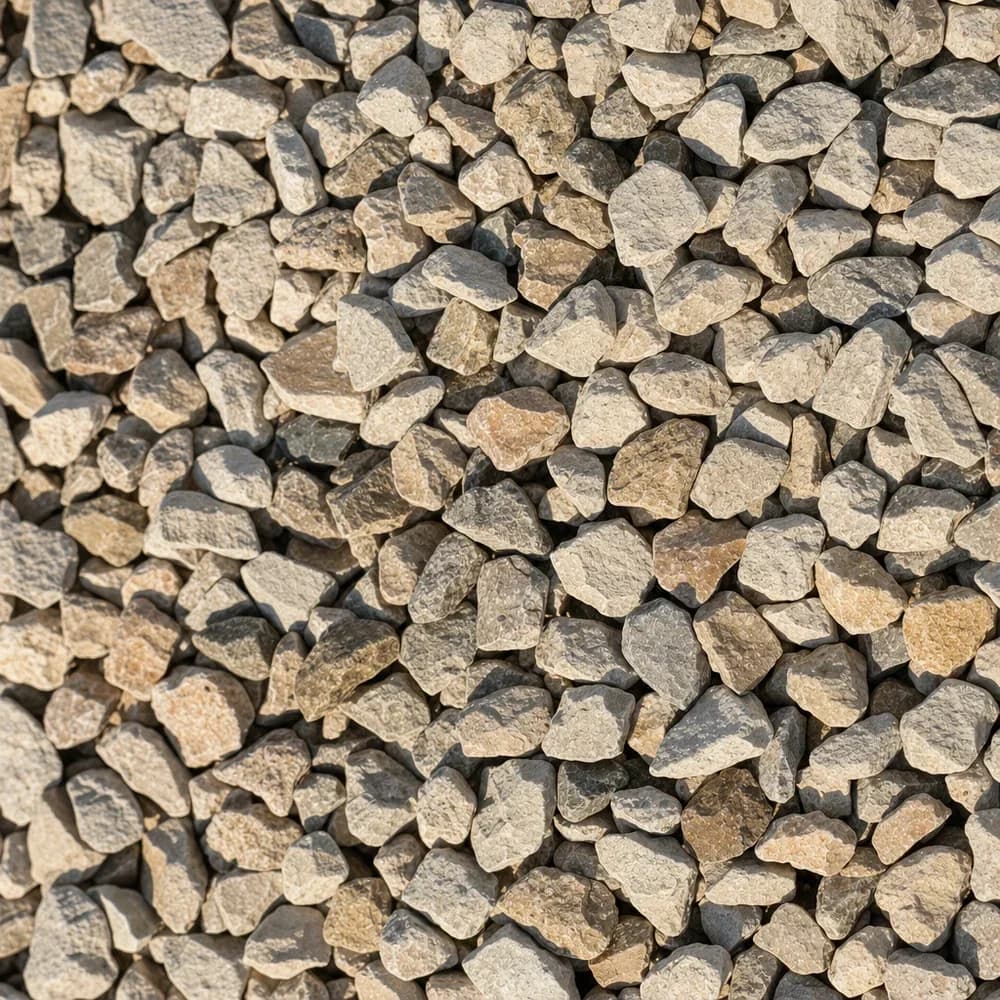
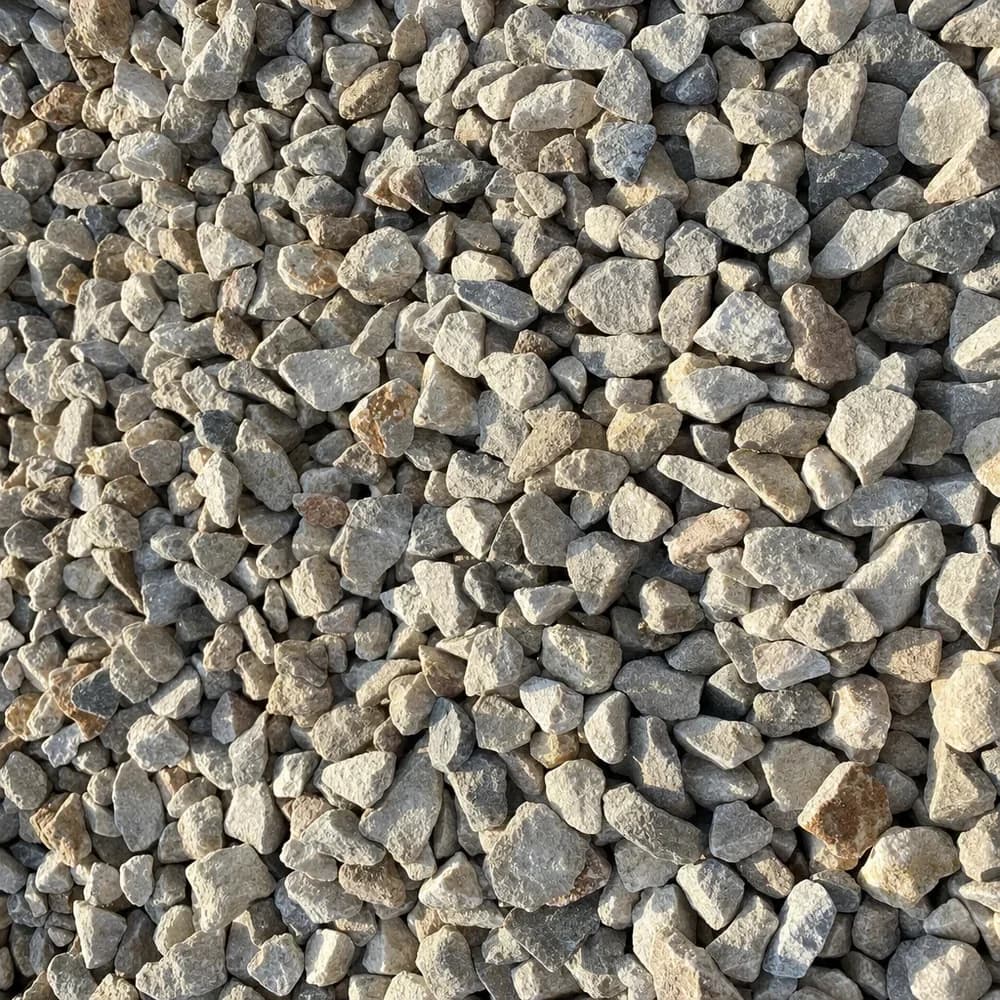
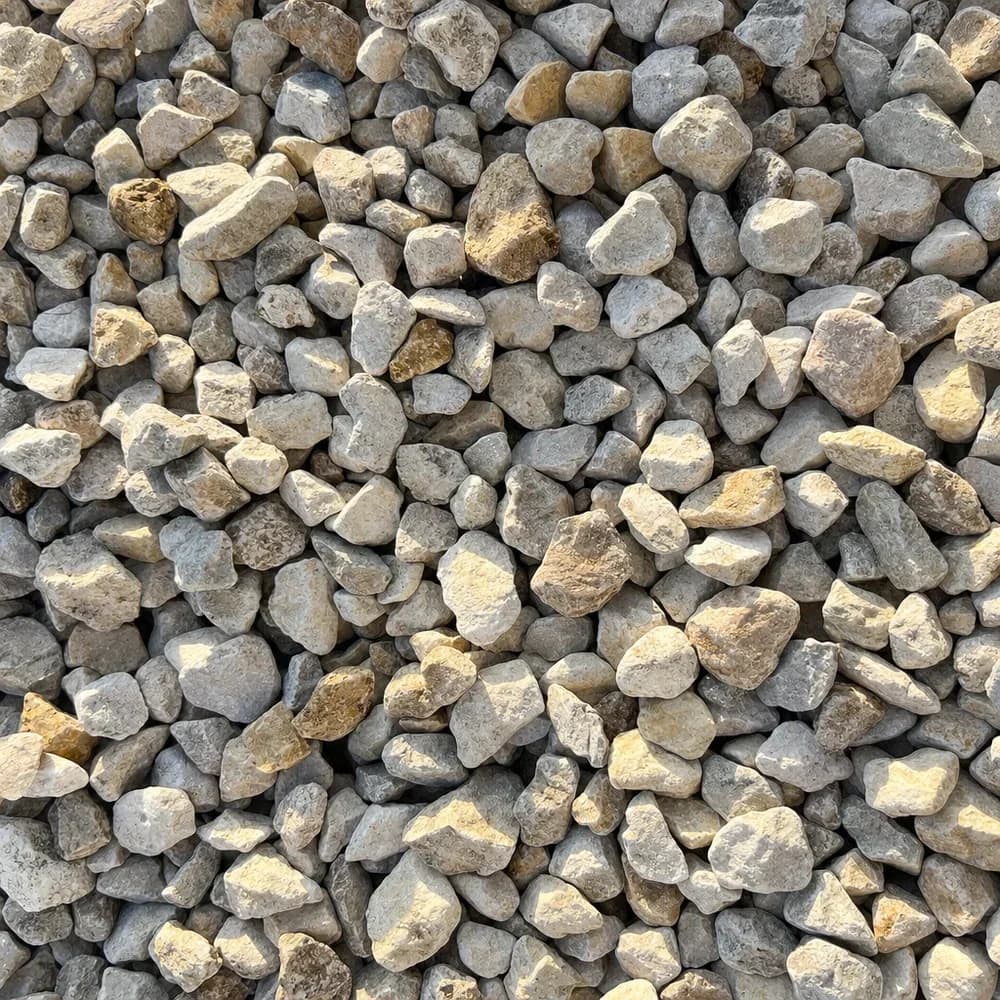
- Size: 1/4 inch minus
- Grading: Stone dust and fine particles
- Type: Angular crushed stone
From $512 for 1 ton, delivery included (larger loads cost significantly less per ton)
Free delivery included
Free delivery anywhere in Florida
Pick a delivery date
Weekday delivery, earliest Oct 30
“I used this to level a flagstone path. The fine material screeded smoothly and gave the stones a stable seat. The result at my place in Fort Lauderdale, FL looks finished and has held up well.”
Finley A. · Verified Buyer
Get a Free Quote
Fill out the form and our sales team will get back to you within the hour.
Size and Grading
- Size
- 1/4 inch minus
- Grading
- Stone dust and fine particles
- Type
- Angular crushed stone
Standing over a stack of pavers on a lot that is sand all the way down, the question is not what screenings are. It is whether this load is holding the weight or only leveling something that already does. Get that the wrong way round and the patio looks perfect in March and dips at the corners by the end of the first rainy season. Stone Screenings are 1/4 inch minus, an angular crushed material that is mostly dust and fine particles, and in Florida the fines are crushed limestone. That grading is what lets them screed flat and pack solid, and it is also the reason they cannot do the job of a base.
Do stone screenings carry the load on sand, or only level what does?
Only level. The layer that carries weight is a graded mix with coarse stone in it, compacted in lifts, and limerock base is the material most Florida pads are built on because it locks up hard once rolled damp. Screenings go over that, an inch or so thick, as the setting bed the pavers or flagstone sit into.
Skip the base and what happens is predictable. The fines compact beautifully on day one, then the sand beneath them moves under a load that the fines were never meant to spread, and the surface follows it down. On flatwoods ground where the water table rises through the wet months, that movement is a matter of when rather than if.
Can a raised vegetable bed sit on a screenings floor?
It can, and this is one of the better uses for them. A compacted floor of fines around and between raised beds gives a firm, walkable surface that drains rather than turning to mud after an afternoon storm, and it stops the sand between beds from being tracked everywhere. Keep the fines outside the beds rather than under them, since compacted limestone dust is not something roots do well in.
Grade the floor with a slight fall away from the beds so water leaves rather than pooling at the timber. Line it first if the intention is to keep it clean, because bare sand will work up into the fines over a couple of seasons.
Is 1/4 inch minus safe under playground equipment?
Not as a fall surface. Compacted screenings finish hard, which is the point of them, and hard is the opposite of what belongs under a swing set. Where they do earn a place around a play area is the access path and the gate apron: a 1/4 inch minus surface takes a pushchair and a wheelchair far better than loose stone, and it drains instead of holding a puddle by the gate.
Keep the fall zone in a material meant for it and use these fines for the route in, the border and the flat spot where a bench sits.
What holds an RV or boat pad together through the rainy season?
The base does, and the screenings only finish it. On a trailer pad the load is concentrated on two or four small contact points, which is the hardest thing you can ask of a sandy subgrade. Build depth into the compacted base, keep the pad crowned so water leaves it, and use a thin screened course on top only if the finish needs to be level for jack stands or pavers. On a pad that will be driven and parked on as bare gravel, a coarser surface holds up better than fines, which soften when saturated and then rut.
How many yards does a boat pad or a bed floor actually take?
The calculator takes feet for length and width and inches for depth, handles several areas in one go, and runs (L x W x D/12) / 27 = cubic yards before converting by density. This site publishes screenings at about 2,900 lb per cubic yard, which is roughly 1.45 tons per yard. Three hypothetical examples:
- A floor around four 4 ft by 8 ft raised beds inside a 14 ft by 20 ft plot, 3 inches deep. 14 x 20 = 280 sq ft, less four beds at 32 sq ft each (128 sq ft) = 152 sq ft. 152 x 0.25 = 38 cubic feet. 38 / 27 = about 1.4 cubic yards, or roughly 2 tons.
- A 5 ft wide access loop beside a play area, 48 ft long at 2 inches. 5 x 48 = 240 sq ft. 240 x (2/12) = 40 cubic feet. 40 / 27 = about 1.5 cubic yards, or roughly 2.1 tons.
- A bedding course on a 10 ft by 32 ft boat pad, 1 inch thick over a prepared base. 10 x 32 = 320 sq ft. 320 x (1/12) = about 26.7 cubic feet. 26.7 / 27 = about 1 cubic yard, or roughly 1.4 tons. The base course underneath is a separate, much larger order.
Run your own dimensions through the stone calculator and keep the five percent it adds by default if the ground below is freshly cut, because the first pass always keys into it.
What should be ready when a load of fines arrives?
A dry tip spot on something hard, ideally a drive or a sheet of plywood, and a route the wheelbarrow can take without crossing the bed you are about to set. Fines are the one material where a wet pile is a genuine problem: saturated dust is heavy, sticky and slow to screed, and a tarp over the heap costs nothing. Delivery is arranged at checkout by ZIP code, and the truck needs clear access to somewhere it can lift a body and drop the load.
Once you have a number, pick a quantity and a date on this page. If the base course and the bedding course are going down in the same week, order them together so the pad is open for the shortest possible time.
Quickly Calculate How Much You Need
Material: #10 Stone Screenings
How to Measure
Measure the length and width of your project area in feet
Decide on depth in inches (2" for landscaping, 4" for driveways)
Enter the values above and we'll calculate the tonnage you need
Need help figuring out the right amount? We can help!
Call or text us at (813) 896-2664 and we'll help you calculate the right quantity for your project.
Not sure how much you need? The Stone Calculator has depth guides, coverage charts and worked examples for this material.
Frequently Asked Questions About #10 Stone Screenings
Customer Reviews
Had stone screenings delivered by them and the pricing was fair for what I got. Free delivery was a nice bonus, and everything showed up right when I needed it.
Mike C. · St. Petersburg, FL · Verified Buyer
Ordered stone screenings from them and the driver was super friendly, took his time, and placed it exactly where I needed.
Kim E. · Orlando, FL · Verified Buyer
Grabbed stone screenings from this company and the stone screenings was great quality. Delivery was easy, and I'd definitely order from them again.
Chris N. · Jacksonville, FL · Verified Buyer
Grabbed stone screenings from the team and everything went great. I'd definitely order from them again.
Doug T. · Fort Lauderdale, FL · Verified Buyer
Levels smoothly
I used this to level a flagstone path. The fine material screeded smoothly and gave the stones a stable seat. The result at my place in Fort Lauderdale, FL looks finished and has held up well.
Finley A. · Tampa, FL · Verified Buyer
#10 Stone Screenings has 5 verified customer reviews with an average rating of 5 out of 5.
#10 Stone Screenings delivery across Florida
- Jacksonville
- Miami
- Tampa
- Orlando
- St Petersburg
- Port St Lucie
- Hialeah
- Cape Coral
- Tallahassee
- Fort Lauderdale
- Pembroke Pines
- Hollywood