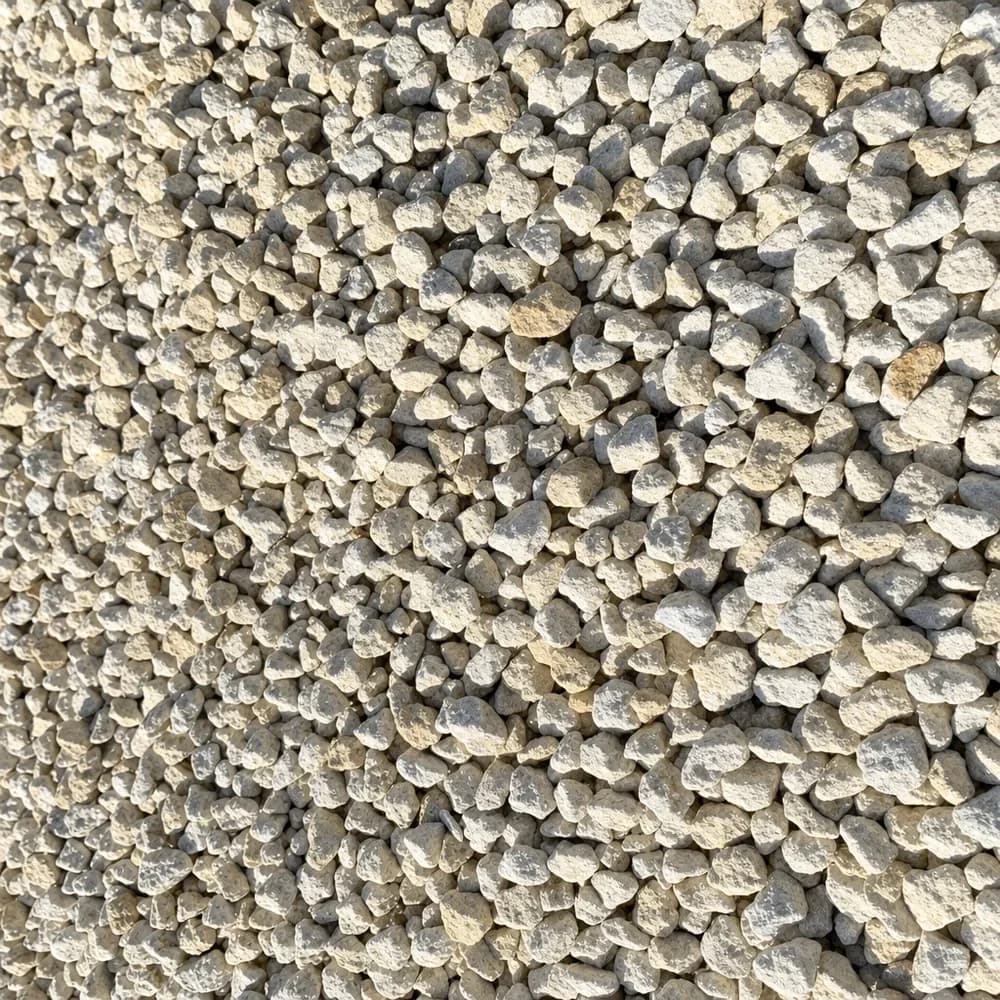
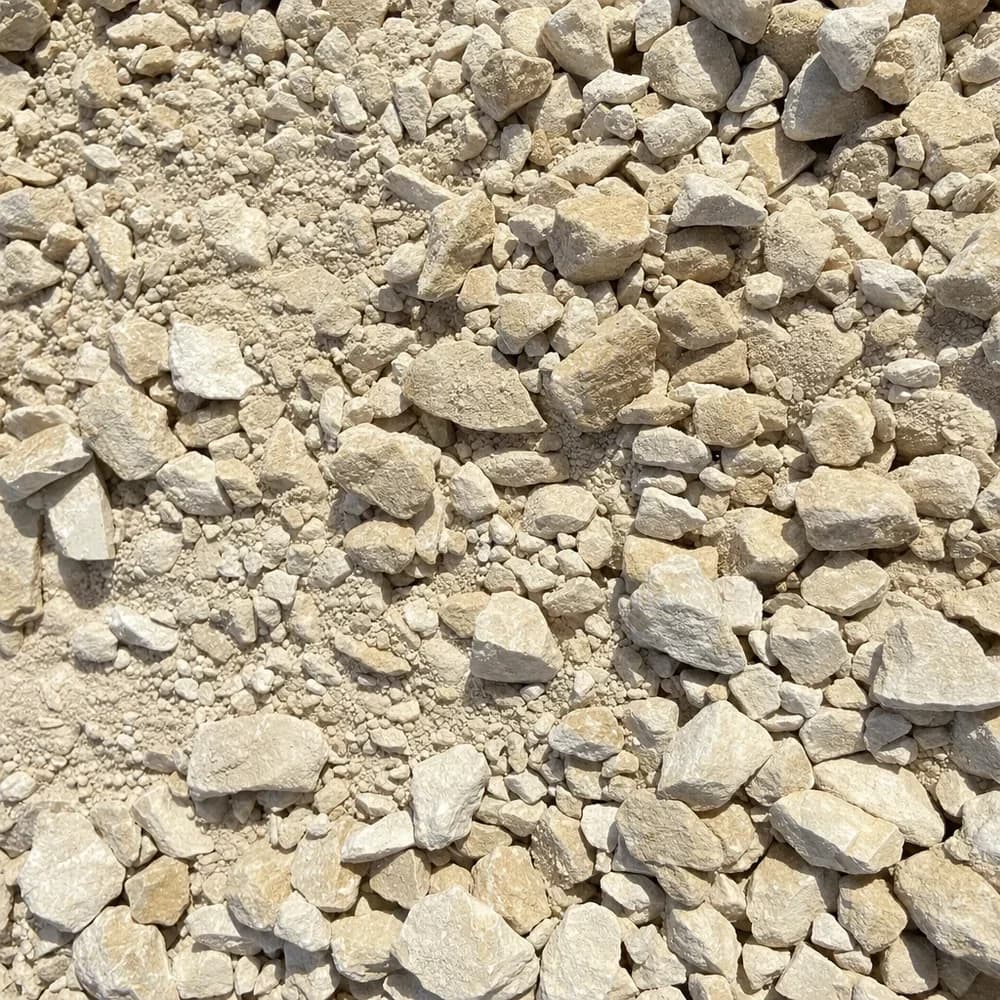
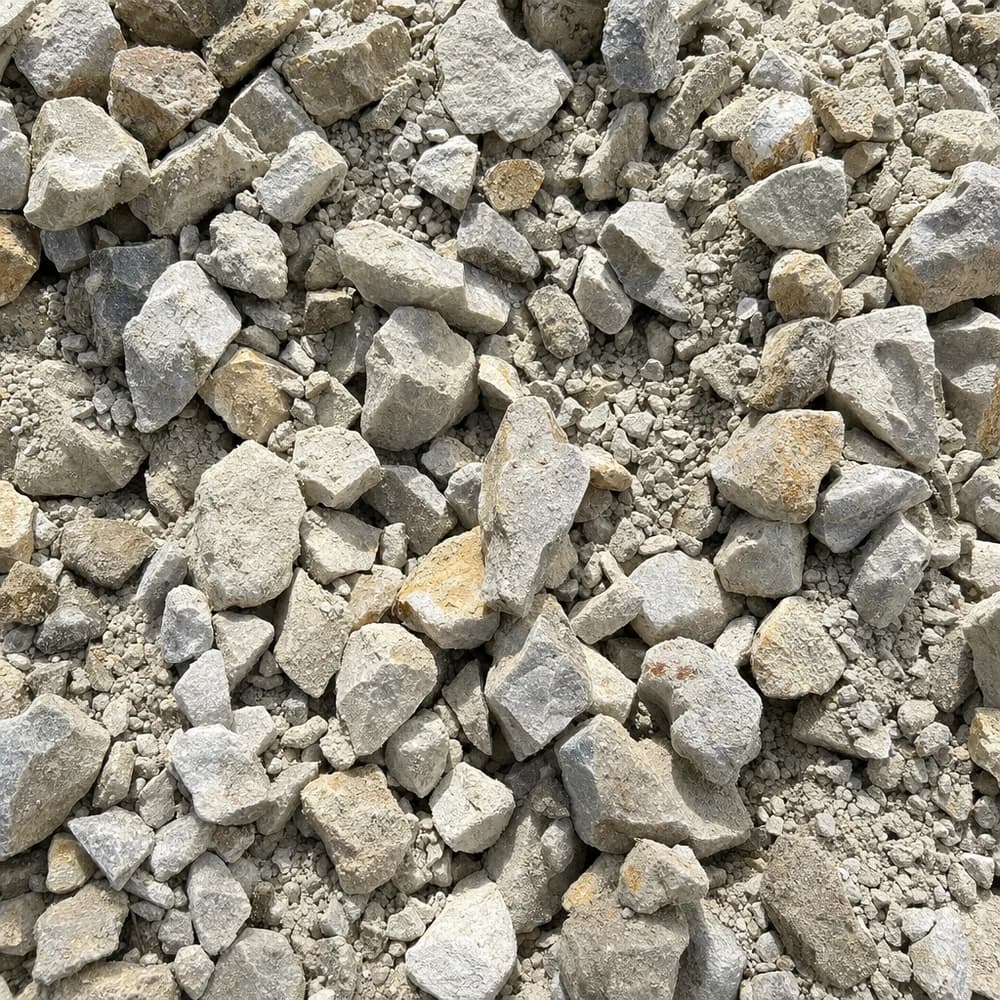
Driveway Gravel for Florida Lanes and Aprons
Heavy seasonal rain can work on a loose drive. Driveway Gravel gives Florida properties a compactable crushed-stone surface for vehicle access.
- Size: 3/4 inch
- Grading: Graded mix of stone sizes
- Type: Crushed stone
From $446 for 1 ton, delivery included (larger loads cost significantly less per ton)
Free delivery included
Free delivery anywhere in Florida
Pick a delivery date
Weekday delivery, earliest Oct 30
“I had a great experience with Florida Rock Supply. I was happy with the quality of the driveway gravel. The team was helpful, and the entire experience was positive.”
Dave A. · Verified Buyer
Get a Free Quote
Fill out the form and our sales team will get back to you within the hour.
Size and Grading
- Size
- 3/4 inch
- Grading
- Graded mix of stone sizes
- Type
- Crushed stone
The rain decides this job. Between late May and October an afternoon storm can put enough water across a bare lane to shift loose material downhill before the sky clears, so the sensible window for rebuilding a drive is a run of dry days: roughly November through April in the south of the state, and the gap between fronts further north. Driveway Gravel is a 3/4 inch graded mix of crushed stone sizes, and the graded part is the part that matters on sand. A spread of sizes lets the pieces knit under a wheel instead of scattering the way a single-size washed stone does.
The dry weeks are the ones worth booking
Grading wants ground you can actually read. Flatwoods sand that has taken a week of storms holds water above its hardpan, and a machine working it just churns a soft layer deeper instead of cutting a shape into it. Wait for the surface to dry back and the lane will hold the crown you cut into it.
The dry season also gives the new surface time to settle under traffic before the next round of heavy rain tests it. A lane that has had a few weeks of tires over it sheds a downpour; the same lane laid the day before a tropical system is still loose, and loose material travels. If the work has to happen in the wet months, break it into short sections that can be finished and driven on the same day rather than opening the whole run at once.
Sand is not a base just because gravel landed on it
The most common way this order goes wrong is treating the native ground as the base course. Peninsula sand drains in minutes and still gives almost nothing back under a loaded wheel, so gravel dropped straight onto it works down into the sand and disappears, usually in the two wheel tracks where it was needed most.
Strip the organics first, cut the lane so water runs off it rather than along it, and build a compacted layer underneath. Limerock base is the usual choice here because it carries fines that lock up hard once rolled damp. A separation fabric over the soft spots is worth the trouble on low ground where the water table sits close to the surface for part of the year. Then the gravel goes on top as a wearing course, and its job is traction and shedding water, not bearing.
Driveway gravel on a rural lane, a garden path and a new sod edge
A long rural lane is the job this material was graded for. Tires cross the same two strips every day, the mix locks into those strips, and the surface stays even instead of rutting into the sand beneath.
A garden path is the opposite end of the range and needs a lighter hand. Three-quarter inch stone under bare feet is coarse, so most people run a finer surface on a path and keep this mix for the sections that take a mower or a garden cart. Where a path crosses a wet low spot, though, the coarser mix earns its place because it keeps its shape when a walkway material would sink.
The third use is the least expected: a narrow strip of gravel laid where a drive meets new sod. Fresh sod on sand tears under a tire for the first month, and a firm edge gives the wheel somewhere to sit when a delivery van or a garbage truck clips the corner.
Yards and tons for a 300 foot lane, a 60 foot path and a sod strip
The site calculator works in feet for length and width, inches for depth, and runs (L x W x D/12) / 27 = cubic yards, then converts by density. This site publishes crushed gravel at about 2,800 lb per cubic yard, which is roughly 1.40 tons per yard. Three hypothetical examples:
- A rural lane, 300 ft by 10 ft, surfaced 4 inches deep. 300 x 10 = 3,000 sq ft. 3,000 x (4/12) = 1,000 cubic feet. 1,000 / 27 = about 37 cubic yards. At 1.40 tons per yard, roughly 52 tons.
- A garden path, 60 ft by 3 ft at 2 inches. 60 x 3 = 180 sq ft. 180 x (2/12) = 30 cubic feet. 30 / 27 = about 1.1 cubic yards, or roughly 1.6 tons.
- A strip along new sod, 2 ft by 120 ft at 3 inches. 2 x 120 = 240 sq ft. 240 x 0.25 = 60 cubic feet. 60 / 27 = about 2.2 cubic yards, or roughly 3.1 tons.
Keep the five percent the gravel calculator adds on top if the ground is freshly cut and still soft, since the first inch always keys into the sand rather than sitting on it. Check your own figures in the gravel calculator before you commit to a quantity.
What a lane asks for between June and November
Upkeep here is a storm-season habit rather than a schedule. After a heavy rain, walk the low end and look for the places where water crossed the lane instead of leaving it, because that is where the next washout starts. Rake the material that has drifted to the edges back into the wheel tracks while it is still damp and it will pack in; do it in the dry and it will just roll back out.
A crown or a consistent cross-fall is the thing to protect. Once traffic flattens it, water sits on the surface, softens what is underneath and turns two shallow tracks into two ruts. A light topping every few years keeps the shape without rebuilding the lane, and it is a far smaller order than the original one.
To order, work out your yards, pick a quantity and a delivery date on this page, and choose a tip spot on firm ground with clear overhead room. Delivery is arranged at checkout by ZIP code, and the driver needs a route in and somewhere the load can be dropped without crossing soft sand.
Quickly Calculate How Much You Need
Material: Driveway Gravel
How to Measure
Measure the length and width of your project area in feet
Decide on depth in inches (2" for landscaping, 4" for driveways)
Enter the values above and we'll calculate the tonnage you need
Need help figuring out the right amount? We can help!
Call or text us at (813) 896-2664 and we'll help you calculate the right quantity for your project.
Not sure how much you need? The Gravel Calculator has depth guides, coverage charts and worked examples for this material.
Frequently Asked Questions About Driveway Gravel
Customer Reviews
Went with these guys for driveway gravel and I'm really happy with how it turned out. Delivery was easy, the driver dropped it right where I needed, and the driveway looks great. I'd definitely order again and recommend them.
Mike L. · Cape Coral, FL · Verified Buyer
Got driveway gravel from Florida Rock Supply and I'm really happy with how it turned out. They kept me updated the whole time, and the delivery was easy.
Chris H. · St. Petersburg, FL · Verified Buyer
Easy From Start to Finish
I had a great experience with Florida Rock Supply. I was happy with the quality of the driveway gravel. The team was helpful, and the entire experience was positive.
Dave A. · Tampa, FL · Verified Buyer
Grabbed driveway gravel from Florida Rock Supply and it was exactly what I needed. The driver was friendly and careful about where he placed it. I'd definitely order again and recommend them.
Ryan B. · Fort Lauderdale, FL · Verified Buyer
Got driveway gravel from Florida Rock Supply and I'm really happy with it. The pricing felt fair, and the driveway gravel was solid material. Delivery was easy and I'd definitely order from them again.
Frank M. · St. Petersburg, FL · Verified Buyer
Reliable for a driveway
It's driveway gravel. It performed as expected on my driveway.
Chris H. · St. Petersburg, FL · Verified Buyer
Driveway Gravel has 6 verified customer reviews with an average rating of 5 out of 5.
Driveway Gravel delivery across Florida
- Jacksonville
- Miami
- Tampa
- Orlando
- St Petersburg
- Port St Lucie
- Hialeah
- Cape Coral
- Tallahassee
- Fort Lauderdale
- Pembroke Pines
- Hollywood