Garden Soil for Florida Beds and Bare Ground
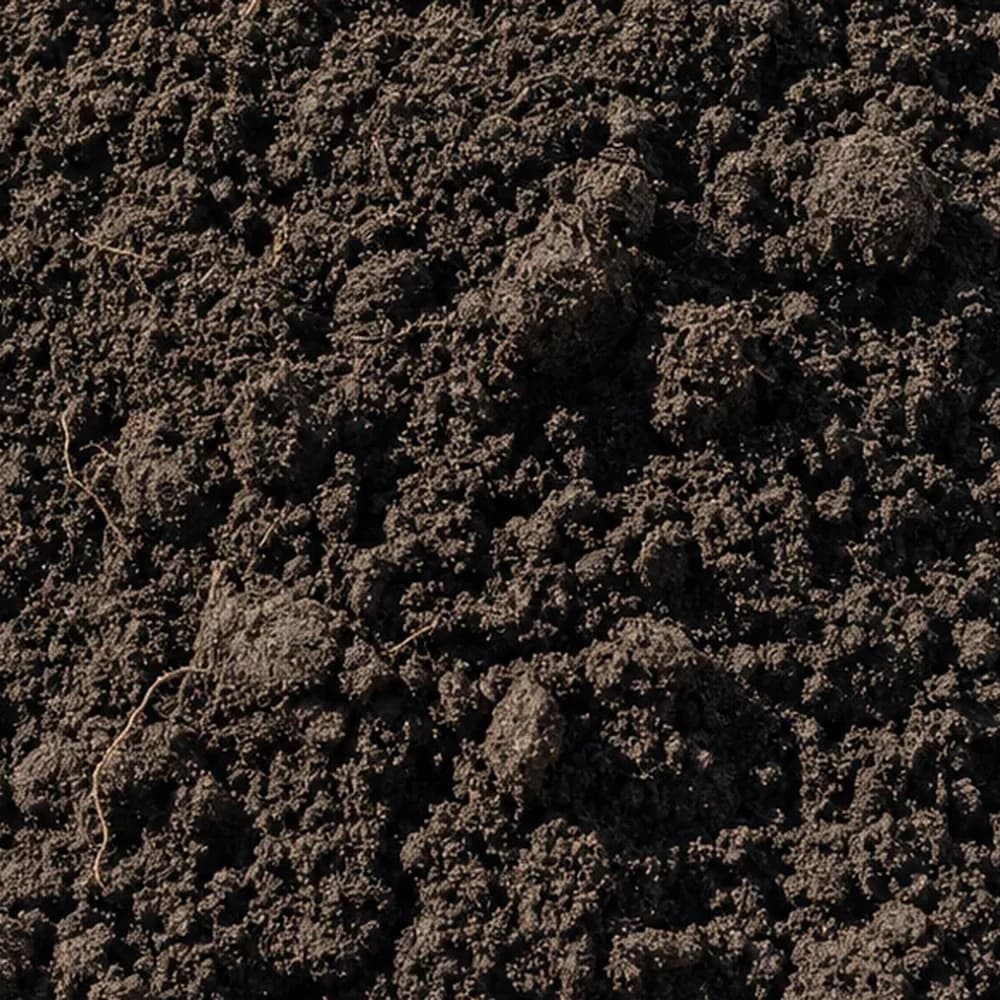
Garden Soil helps Florida vegetable plots, flower beds, and raised planters hold moisture with compost-enriched growing material.
- Size: Nutrient-enriched soil blend
- Grading: Enhanced with organic compost
From $539 for 1 ton, delivery included (larger loads cost significantly less per ton)
Free delivery included
Free delivery anywhere in Florida
Pick a delivery date
Weekday delivery, earliest Oct 30
“Ordered garden soil from this company, and I'm really happy with it since the delivery showed up on the day they promised.”
Tom A. · Verified Buyer
Get a Free Quote
Fill out the form and our sales team will get back to you within the hour.
Size and Grading
- Size
- Nutrient-enriched soil blend
- Grading
- Enhanced with organic compost
Scrape back the turf on a typical peninsula lot and what is underneath is quartz sand, pale and loose, which water runs straight through and which holds almost nothing a plant can use. That is the reason so much planting here happens in something brought in rather than in what is already there. Garden Soil is a nutrient-enriched blend with organic compost worked through it, and the compost is what changes the behavior: it holds moisture between storms and still lets water move when a storm arrives.
Why sand beds get filled with garden soil rather than amended
Amending works where there is something to amend. On deep sand, a bag of compost turned into the top few inches is gone within a season, because organic matter breaks down fast in this heat and the rain carries what is left down past the root zone. The practical answer is to build the growing layer rather than improve the existing one, which is why raised beds and filled planters are so common on Florida lots.
That is the job this blend is bought for most: filling a bed from empty, filling new vegetable ground, or lifting a tired flower bed with a fresh layer over the top. It goes where roots will actually reach and is planted into directly rather than being buried under something else.
Holding water between afternoon storms without going sour
The balance a Florida bed needs is unusual. Through the wet months, roughly mid-May into October, a bed can take heavy rain several afternoons a week, and a heavy, airless mix in that pattern goes anaerobic and roots rot. Through the dry season the opposite problem arrives and the surrounding sand pulls moisture out of anything sitting in it.
A compost-enriched blend sits between the two. The organic fraction acts as the reservoir that plain sand does not have, and the structure it creates keeps air in the mix so water drains rather than standing. Raising the bed above the surrounding grade helps as much as the blend itself, particularly on flat flatwoods ground where the water table rises in the wet season and surface water can sit for days.
Filling a bed, settling it, and planting the same weekend
Fill a raised bed about an inch proud of the sides, because the blend settles as it takes its first watering and you want the finished level just below the top rather than dished. Do not compact it. Firming soil is the opposite of what a planting mix needs, and a bed pressed down loses the air space that keeps roots alive through a wet week. Water it in instead and let it find its own level.
For a bed being planted directly, no further amendment is needed before planting. For ground being replanted after construction or drainage work, strip what is compacted, loosen the subgrade with a fork so the new layer is not sitting on a hard pan, then spread and rake to grade.
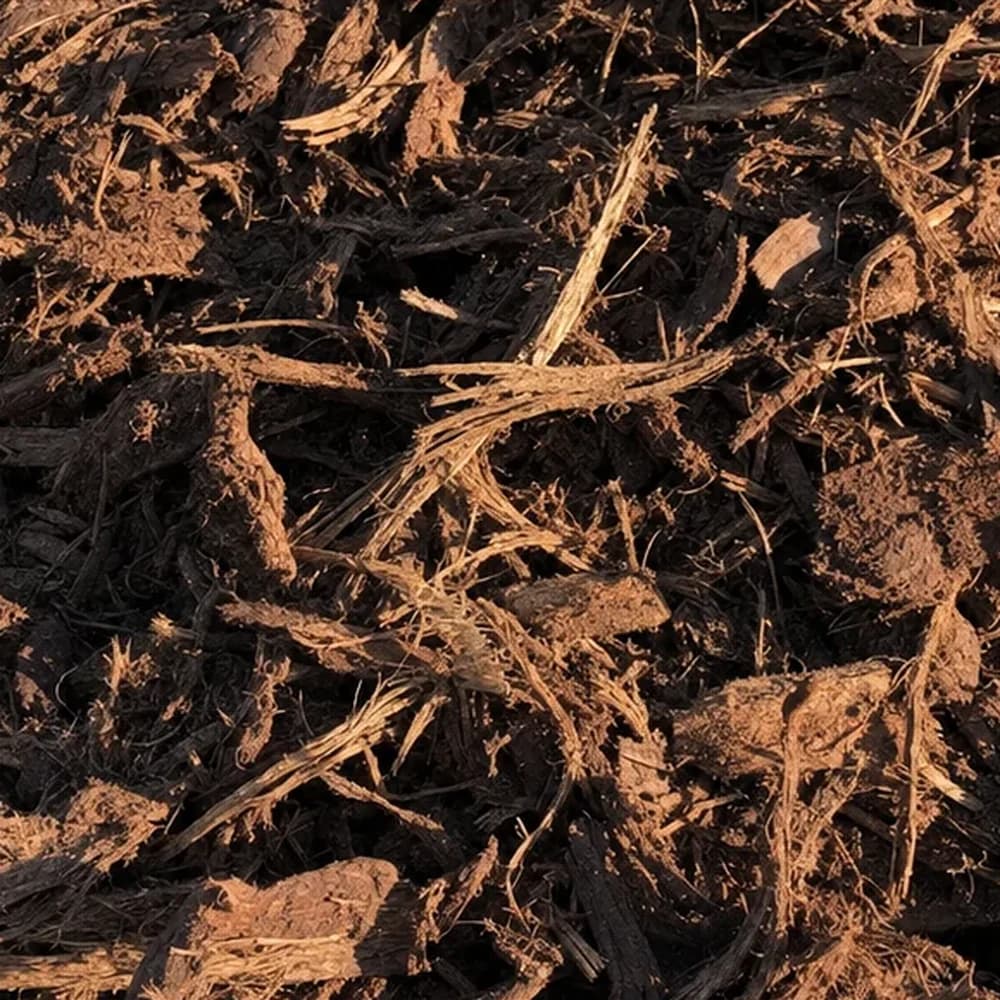
Mulch over the top once planting is done. Bare soil in this climate crusts in the sun and washes in the rain, and a mulch layer slows both.
Where top soil and fill dirt do the work this blend should not
Three products, three different roles, and mixing them up is the usual cause of a bed that has to be redone.
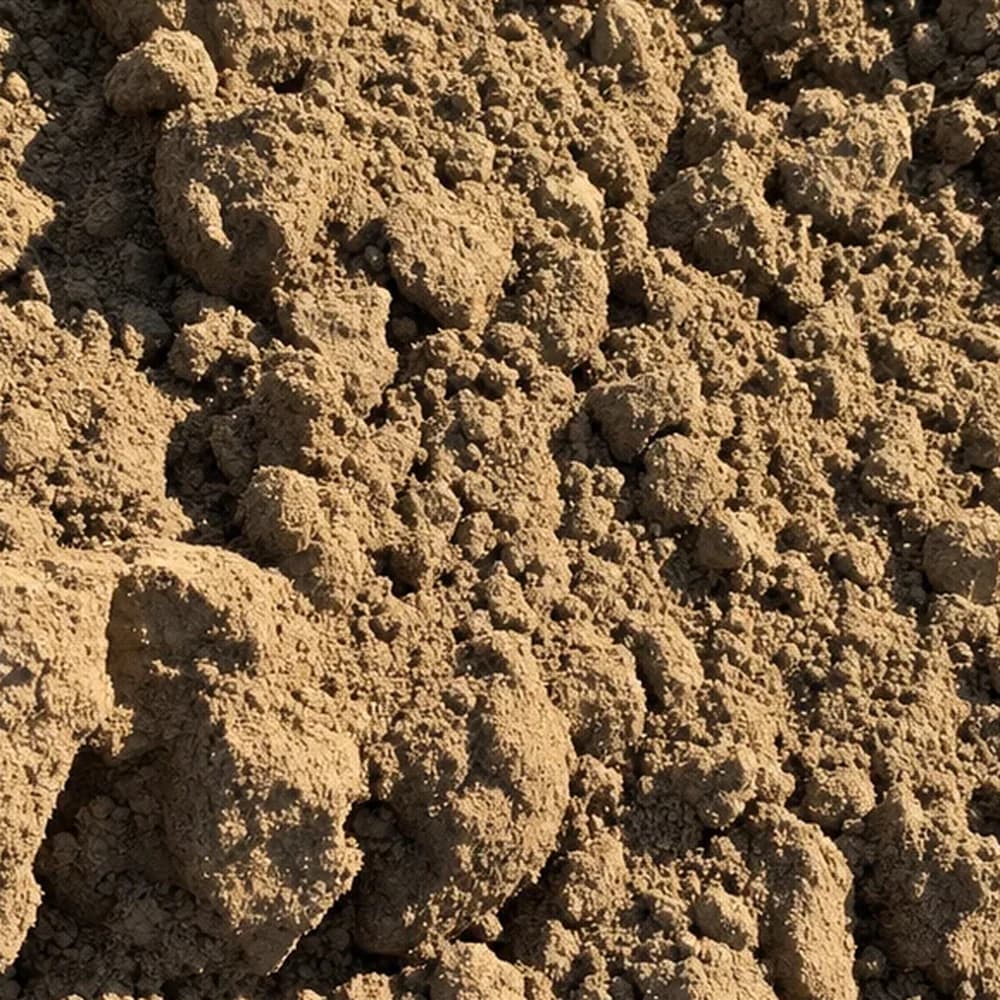
A screened top soil is the general-purpose layer for lawns and light regrading, a balanced sand, silt and clay blend that spreads thinly and evenly. It is the right pick under sod and for correcting a fall across a wide area, and it is the wrong pick for a raised bed being planted into from empty, where it has less to give than a compost blend.
Fill dirt is the bulk material for raising low ground and building up a pad. Nothing is expected to root in it, and it goes in the bottom of a deep fill with the growing layer only in the top few inches. Putting a compost blend three feet down on a regrade is paying for something no plant will ever reach.
Yards for a foundation border, a regraded corner and a ditch shoulder
The soil calculator takes feet for length and width, inches for depth, handles several areas at once, and runs (L x W x D/12) / 27 = cubic yards before converting by density. This site publishes garden soil at about 2,000 lb per cubic yard, which works out at roughly 1 ton per cubic yard. Three hypothetical examples, all of them replanting ground that drainage work has just disturbed:
- A planting border replanted over a finished French drain along a foundation, 3 ft wide by 34 ft long at 6 inches. 3 x 34 = 102 sq ft. 102 x 0.5 = 51 cubic feet. 51 / 27 = about 1.9 cubic yards, or roughly 1.9 tons.
- The top layer of a regraded low corner, 12 ft by 14 ft at 4 inches, with fill dirt underneath doing the lifting. 12 x 14 = 168 sq ft. 168 x (4/12) = 56 cubic feet. 56 / 27 = about 2.1 cubic yards, or roughly 2.1 tons.
- Two planted shoulders alongside a lined ditch below a culvert outlet, each 2 ft by 25 ft at 4 inches. 2 x 2 x 25 = 100 sq ft. 100 x (4/12) = about 33.3 cubic feet. 33.3 / 27 = about 1.2 cubic yards, or roughly 1.2 tons.
Keep the five percent the soil calculator adds by default, since the blend settles noticeably after its first soaking. Check your own numbers in the soil calculator, then pick a quantity and a delivery date on this page. Delivery is arranged at checkout by ZIP code, and the truck needs somewhere it can tip on firm ground, preferably on a hard surface within wheelbarrow range of the beds.
Quickly Calculate How Much You Need
Material: Garden Soil
How to Measure
Measure the length and width of your project area in feet
Decide on depth in inches (2" for landscaping, 4" for driveways)
Enter the values above and we'll calculate the tonnage you need
Need help figuring out the right amount? We can help!
Call or text us at (813) 896-2664 and we'll help you calculate the right quantity for your project.
Not sure how much you need? The Soil Calculator has depth guides, coverage charts and worked examples for this material.
Frequently Asked Questions About Garden Soil
Customer Reviews
Ordered garden soil from them and it showed up right when I needed it. The pricing was fair, especially for how much I got. Really happy with the whole thing and I'd use them again.
Scott J. · St. Petersburg, FL · Verified Buyer
Ordered garden soil from this company, and I'm really happy with it since the delivery showed up on the day they promised.
Tom A. · Fort Lauderdale, FL · Verified Buyer
Had garden soil delivered by these guys and everything went really smooth. I'd definitely order from them again.
Megan R. · Orlando, FL · Verified Buyer
Went with the team for garden soil, the price was fair and the driver was friendly and careful about where he placed it.
Luis I. · Miami, FL · Verified Buyer
Garden Soil has 4 verified customer reviews with an average rating of 5 out of 5.