Washed Sand for Florida Bedding and Leveling
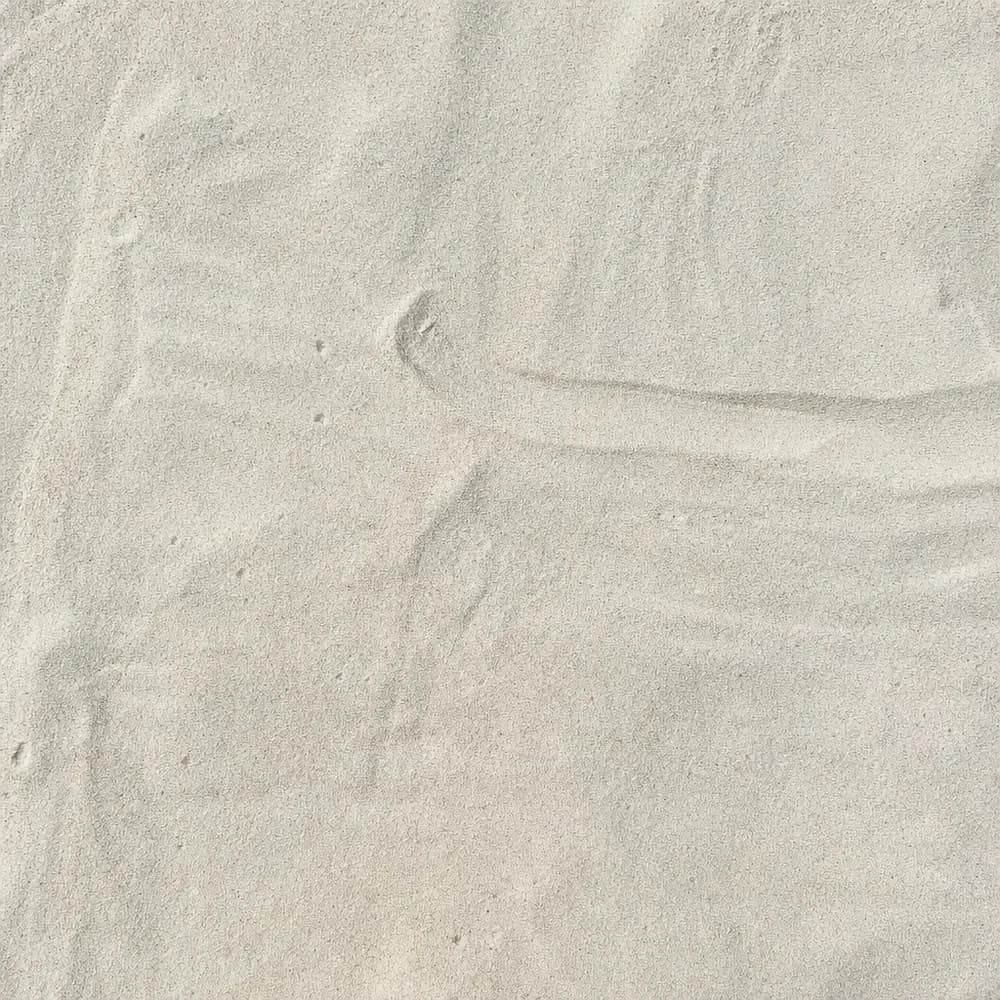
Washed Sand supplies Florida concrete, backfill, and leveling work with clean material free of clay, silt, and organic debris.
- Size: Coarse-grained
- Grading: Washed; free of clay, silt and organic debris
From $690 for 1 ton, delivery included (larger loads cost significantly less per ton)
Free delivery included
Free delivery anywhere in Florida
Pick a delivery date
Weekday delivery, earliest Oct 30
“Went with these guys for Washed Sand and it showed up clean and right on time. I'm really happy with how easy the whole order was. I'd definitely order again and recommend them.”
Jeff G. · Verified Buyer
Get a Free Quote
Fill out the form and our sales team will get back to you within the hour.
Size and Grading
- Size
- Coarse-grained
- Grading
- Washed; free of clay, silt and organic debris
The strange part of ordering sand in Florida is that the lot is already made of it. The reason people do it anyway is that native ground sand is not clean: it carries silt, roots, shell fragments and organic material, and every one of those things is a problem in the places sand actually gets used. Washed Sand is coarse-grained and washed free of clay, silt and organic debris, and that washing is the entire product. It is what lets it go into a concrete mix, sit against a pipe, or screed into a level bed without bringing trouble with it.
The weeks when washed sand behaves, and the weeks when it does not
Sand work is the most weather-sensitive thing on this list. A screeded bed is a precise surface, and an afternoon storm turns a precise surface into a slumped one in minutes. Between roughly late May and October, that happens several days a week.
The dry stretches are when this work is worth starting: November through April in the south of the state, and the gaps between fronts further north. If the job has to happen in the wet months, work in sections small enough to be finished, covered or loaded the same day, and keep a tarp on both the bed and the heap. Saturated sand is also a great deal heavier to move, which turns a one-day wheelbarrow job into a two-day one.
Getting a trench, a lane bottom or a lawn ready before the load lands
Sand only holds what is under it. Spread over soft, organic or unconsolidated ground it simply becomes part of that ground, so the preparation is the part that decides the result.
Strip turf and organic material first. Cut the trench or the lane bottom to a consistent depth so the sand layer is even rather than thick in the hollows, since an uneven bed settles unevenly. Where the subgrade is genuinely soft, or where the water table sits close to the surface on low flatwoods ground, put a separation fabric down before the sand, and consider whether the layer should be a coarse open stone instead with the sand only as a thin bedding course on top. Screed against rails or pipe rather than eyeballing it: on a path or a slab bed, a quarter inch of error shows.
A back lane, a garden path and the strip before new sod
Three quite different uses for the same material. On a rural back lane, a leveling course of clean sand fills the hollows and gives the base course above it a consistent thickness to work with, which is the difference between a lane that wears evenly and one that develops the same two ruts again.
On a garden path, sand is the bedding layer that flagstone or pavers set into, thin and screeded flat over a compacted base. It fills the underside of an irregular slab, which is what keeps flat stone from rocking underfoot.
Before new sod, a light sand course is a leveling tool rather than a growing medium. It takes the humps and hollows out of a rough yard so the sod lies flat and mows evenly. Nothing grows in it, so soil goes over it before the sod does.
Yards and tons for a 250 foot lane, a 45 foot path and a lawn leveling
The sand calculator works in feet for length and width, inches for depth, takes several areas at once, and runs (L x W x D/12) / 27 = cubic yards before converting by density. This site publishes mason and washed sand at about 2,700 lb per cubic yard, roughly 1.35 tons per yard. Three hypothetical examples:
- A leveling course on a back lane, 250 ft by 9 ft at 2 inches. 250 x 9 = 2,250 sq ft. 2,250 x (2/12) = 375 cubic feet. 375 / 27 = about 13.9 cubic yards, or roughly 18.8 tons.
- A bedding course under a flagstone path, 45 ft by 3 ft at 1.5 inches. 45 x 3 = 135 sq ft. 135 x (1.5/12) = about 16.9 cubic feet. 16.9 / 27 = about 0.6 cubic yards, or roughly 0.8 tons.
- Leveling a 30 ft by 40 ft lawn area before sod, at 1 inch average. 30 x 40 = 1,200 sq ft. 1,200 x (1/12) = 100 cubic feet. 100 / 27 = about 3.7 cubic yards, or roughly 5 tons.
Keep the sand calculator's five percent on the lane and the lawn, where the surface is uneven and the average depth is a guess rather than a measurement. Check your own figures in the sand calculator before choosing a quantity.
What a sand-set path and a leveled lane want after the first wet season
Sand moves, and the two places it moves from are edges and joints. On a path, look along the outside slabs after the rainy months and top up the joints where they have washed down, because an empty joint lets the next storm take more from underneath. A firm edge restraint keeps the bedding course contained and is worth putting in at the start.
On a lane, the sand itself is buried and the thing to watch is the surface above it: where the base course thins, the sand below starts taking traffic it was never meant to carry. Top the base rather than digging back to the sand.
To order, settle the figure, pick a quantity and a delivery date here, and choose a firm tip spot with a tarp ready. Delivery is arranged at checkout by ZIP code, and the truck needs clear access to somewhere the load can be dropped and left.
Quickly Calculate How Much You Need
Material: Washed Sand
How to Measure
Measure the length and width of your project area in feet
Decide on depth in inches (2" for landscaping, 4" for driveways)
Enter the values above and we'll calculate the tonnage you need
Need help figuring out the right amount? We can help!
Call or text us at (813) 896-2664 and we'll help you calculate the right quantity for your project.
Not sure how much you need? The Sand Calculator has depth guides, coverage charts and worked examples for this material.
Frequently Asked Questions About Washed Sand
Customer Reviews
Ordered Washed Sand from the team and the delivery showed up right on schedule.
Megan N. · Orlando, FL · Verified Buyer
Picked up on a load of Washed Sand from them and the price felt really fair for what I got. The driver was friendly and took his time placing it right where I needed it.
Tara S. · Cape Coral, FL · Verified Buyer
Went with them for Washed Sand and ordering was easy. Delivery went smooth and the material was exactly what I needed.
Lisa P. · Cape Coral, FL · Verified Buyer
Went with these guys for Washed Sand and it showed up clean and right on time. I'm really happy with how easy the whole order was. I'd definitely order again and recommend them.
Jeff G. · St. Petersburg, FL · Verified Buyer
Washed Sand has 4 verified customer reviews with an average rating of 4.8 out of 5.