Bulk Landscape Materials for Florida Ground
Mason Sand
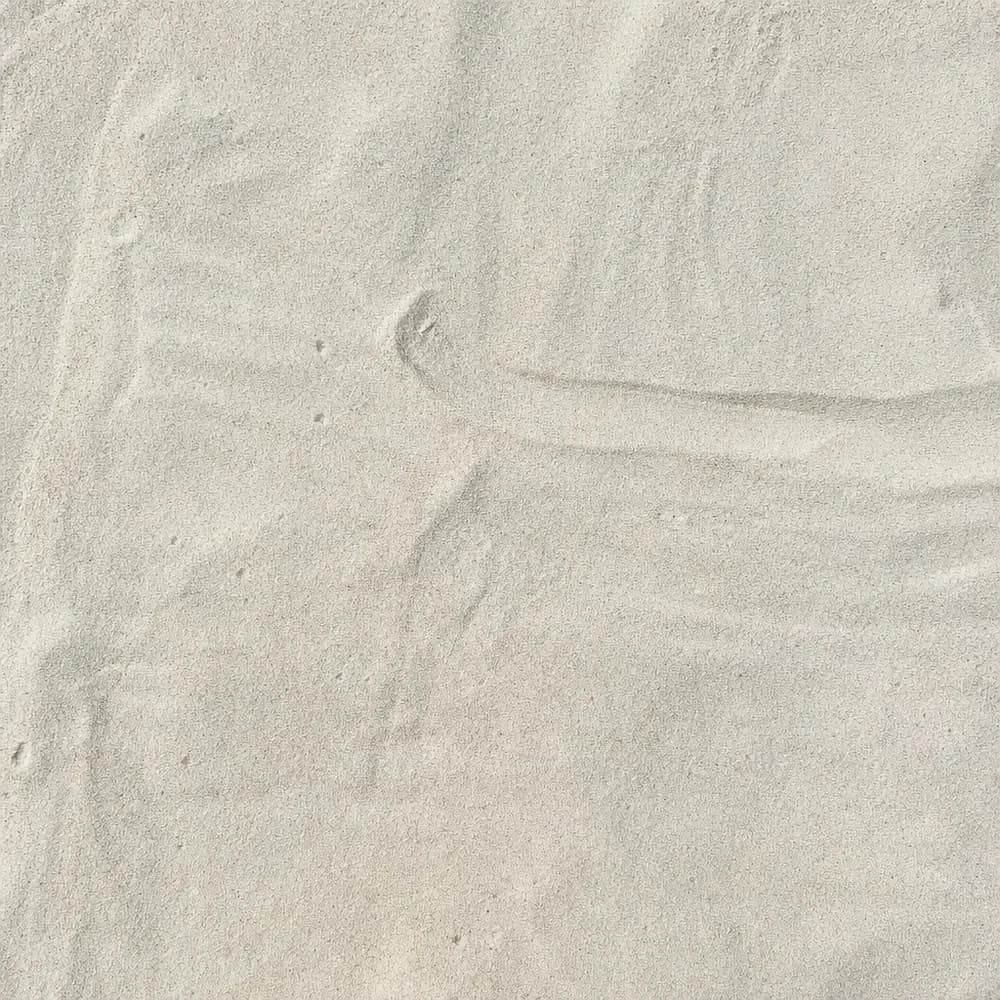
A common Florida mistake is using Mason Sand where a structural base belongs. Its washed, smooth texture suits mortar, paver finishing, and play areas. Size: Ultra-fine, consistent grain size. Grading: Washed to remove clay, silt and organic impurities.
Free Delivery
Washed Sand
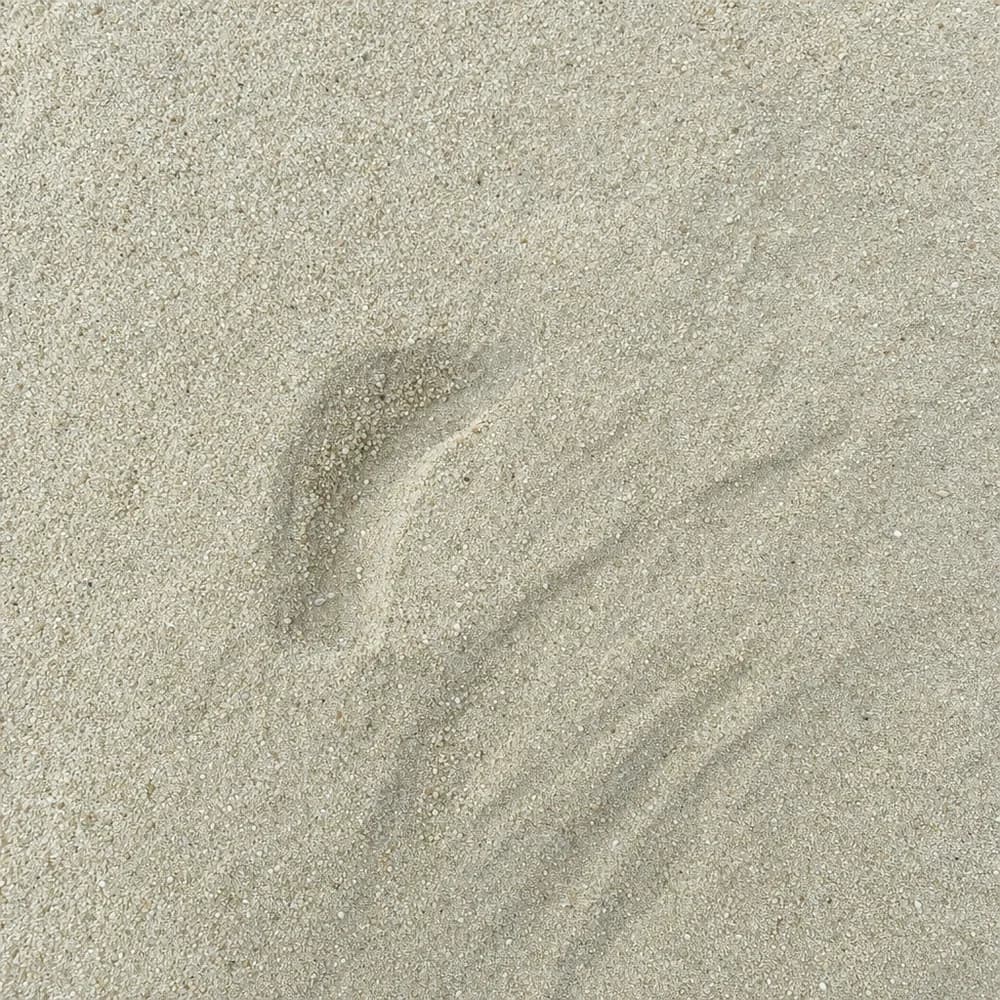
Washed Sand supplies Florida concrete, backfill, and leveling work with clean material free of clay, silt, and organic debris. Size: Coarse-grained. Grading: Washed; free of clay, silt and organic debris.
Free Delivery
Two things shape almost every order that leaves this catalogue, and neither of them is frost. The first is sand: it takes an inch of rain in minutes and then rolls out from under a wheel, so anything carrying load needs a course of graded rock between the traffic and the subgrade. The second is the rainy season, roughly late May into October, when afternoon storms and tropical rain arrive faster than flat lots can shed them and every unprotected edge, bank and trench finds out what it is made of. Choosing bulk landscape materials here is mostly a matter of deciding which of those two problems you are solving.
Compacting rock, for the layer that carries the load
These carry fines. The dust and fine particles fill the voids between the stones so the whole layer locks tight under a roller and spreads a wheel load out across soft sand.
- Limerock Base is the base course a Florida job asks for by name: 1 inch minus, a graded mix of crushed stone, gravel and binding fines.
- Crusher Run is 3/4 inch minus with stone dust through it, for paver bases and drive work.
- Stone Screenings is 1/4 inch minus, a bedding and path material rather than a whole base.
The names on these listings are the ones Florida yards use for them; the size and grading on each product page are what an order is made against, not the rock type in the name.
Screenings in particular get misused. Set them over a prepared base for a flat paver bed, not straight onto sand.
Washed stone, for the trench and the drip line
These have the fines washed out, so the gaps between stones stay open and water runs straight through. This is the family that wet-season jobs draw on.
- #57 Limestone, 3/16 to 1 inch, the usual French drain and footing perimeter stone.
- Drain Rock, 3/4 to 1-1/2 inch, washed, for drainage zones behind walls and under drains.
- 3/4" Crushed Stone and 3/8" Crushed Stone, angular, for drainage beds and pipe bedding.
- #67 Stone, 1/4 to 3/4 inch, drainage plus a tidy surface.
- #4 Crushed Stone, 3/4 to 1-1/2 inches, for heavy drainage and construction entrances.
- #8 Crushed Stone and #89 Crushed Stone for paver joints and tight bedding.
Surfacing and decorative rock, for what you look at afterwards
- Driveway Gravel, 3/4 inch, a compactable crushed surface over a finished base.
- Walkway Gravel, 3/8 inch, for paths between beds and gates.
- 3/8" Natural Pea Gravel, rounded, for patios, play areas and downspout splash zones.
- River Rock, 1 to 3 inches, and Large River Rock, 2 to 4 inches, for beds, borders and dry creek beds that have to stay put through a summer of storms.
Armor stone, for banks that lose material in a downpour
- RipRap, 4 to 12 inches and up, for pond, lake and canal banks, shorelines and culvert outfalls.
- Railroad Ballast, roughly 1 to 2.5 inches, angular and free-draining, for equipment pads and hard standing.
Riprap goes down in thick layers rather than a scattering, over a filter fabric sourced from a landscape supplier, or the sand simply migrates out through the gaps.
Sand, soil and mulch, for ground that is already sand
- Mason Sand, ultra-fine and washed, for mortar, paver finishing and play areas. It is not a structural base, and using it as one is the most common mistake in this group.
- Washed Sand, coarse and clean, for concrete, backfill and leveling.
- Fill Dirt to raise a low corner or a wet grade before any base course goes on.
- Top Soil, screened, for the top few inches ahead of sod or seed.
- Garden Soil, compost-enriched, for raised beds where native sand holds neither water nor nutrients.
- Shredded Mulch, hardwood, at a 2 to 4 inch layer, to hold moisture through a long growing season.
Most drives and pads need one material from the first group and one from the third. Size each layer on its own in the material calculators, then add both to the same order.
Common questions
Which unit is each family sold in?
Stone, gravel and sand go by the ton. Soils and mulch go by the cubic yard. The product page states it, and every calculator returns cubic yards, tons and cubic feet together so you can order in whichever unit applies.
My drive turns ninety degrees at a gate post. Will a loaded truck get round it?
It depends on the width at the turn and what is overhead. A dump truck wants a route about twelve feet wide with no low limbs or wires. If the turn is tight, plan on the load being tipped on the straight section nearest the road and moved from there.
Why does a washed stone stay loose while crusher run sets hard?
Fines. Washed material has the dust removed, so nothing fills the gaps between stones and the layer stays open and free-draining. A material with fines through it has something to fill those gaps, so it knits together under compaction. Neither is better; they do opposite jobs.
The pad has to hold a loaded work truck rather than a car. Does that change what I buy?
The material stays the same, the depth goes up. This site's published guidance puts a compacted base around 4 inches and a new gravel drive nearer 6 inches, and a regularly loaded axle wants the upper end of that. Compact in two thin lifts rather than one thick one and shape the sand underneath before the rock goes on.